Create a website that represents your company's future direction.
We combine strategy, design, and development to create a website that better serves your customers, supports your marketing team, and grows with the company.
We begin by outlining the business objectives, audience demands, limits, and success criteria that will guide all subsequent decisions.
What we focus on:
Business and stakeholder alignment
User journey and content planning
Information architecture
Messaging Priorities
Project requirements and success metrics.
Design
Design turns strategic direction into a scalable web experience that balances brand expression, usability, accessibility, and long-term maintenance.
What we design for:
Visual direction and design concepts.
User Experience and Page Design
Design systems and reusable components.
Interaction and Motion Design
Documentation for Implementation
Development
Development transforms strategy and design into a long-lasting platform that serves content teams, scales with the business, and eliminates technical bottlenecks.
What we are building for:
Front-end component development.
CMS implementation and process
Performance optimization
Integrations and Technical Architecture
Scalable Content Infrastructure
Project Management
Project management keeps the entire engagement on track by organizing stakeholders, removing roadblocks, managing timeframes, and sustaining momentum.
What we Coordinate:
Cross-functional coordination.
Timeline and Milestone Management
Risk and dependency tracking
Stakeholder Communication
Launch Planning and Execution
THE DIFFERENCE
What comes up when the process is joined.
A more integrated approach reduces rework, identifies hazards earlier, and ensures that the website moves from strategy to launch without losing context.
Teams revisit decisions as the work moves downstream.
Project momentum slows across disconnected phases.
The Pelstack way
Strategy, design, and development all overlap.
Creative and technical decisions are made collaboratively.
Risks are identified before they become pricey.
Stakeholder alignment occurs at every level of the redesign.
roject management ensures that all workstreams are in alignment.
A proven partner for modern B2B website teams
We’ve empowered teams to break free from website bottlenecks with a composable approach built for speed and scale.
4.3B
Raised by our clients
50+
In-house experts
170+
Websites launched
97%
Client retention rate
Explore our work
Explore how we’ve helped B2B teams transform their websites across industries, business models, and stages of growth.
Enterprise Software
We redesign enterprise websites to structure large product portfolios, serve various audiences, and facilitate complex conversion paths.
We've partnered with the following brands:
Braze
Varonis
Cribl
Software-as-a-Service
We assist SaaS companies in clarifying their strategy, simplifying product stories, and creating adaptable websites that can change with the platform.
We've partnered with the following brands:
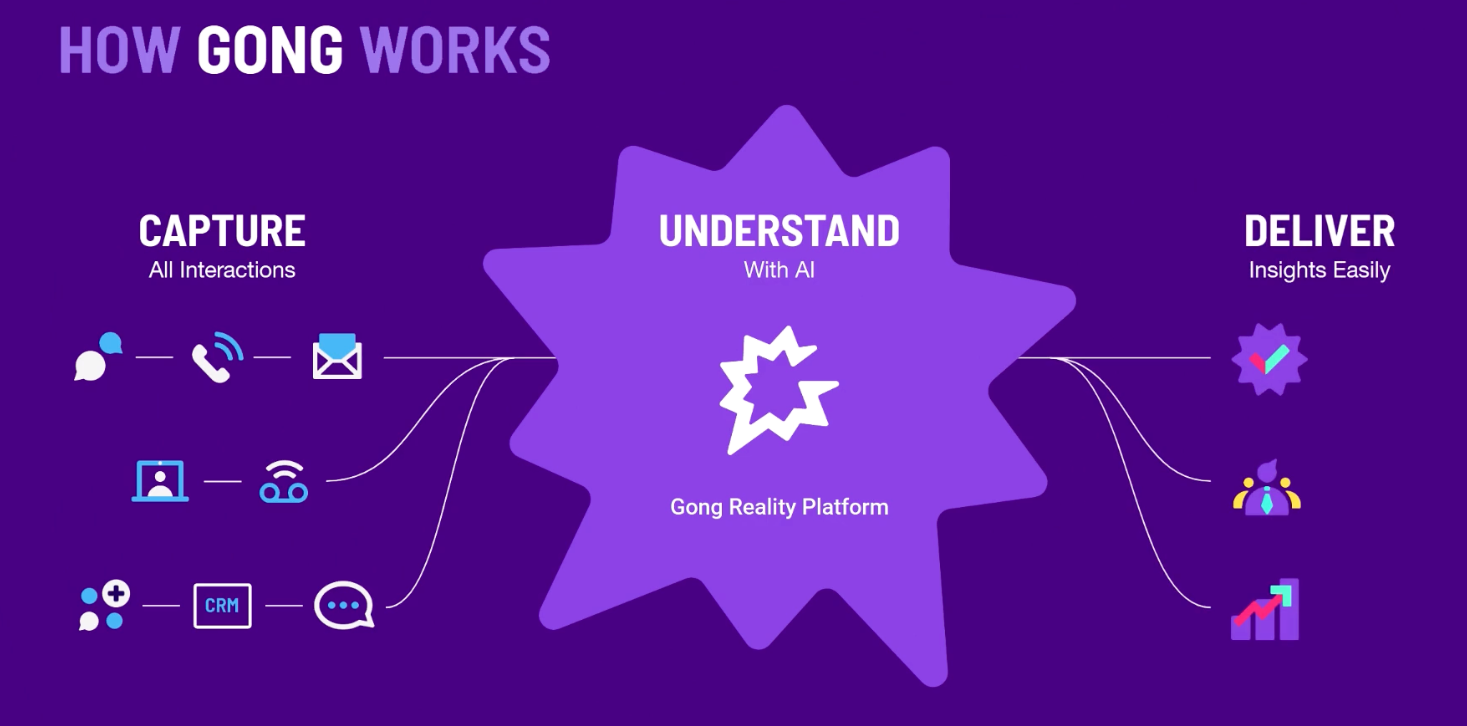
Gong
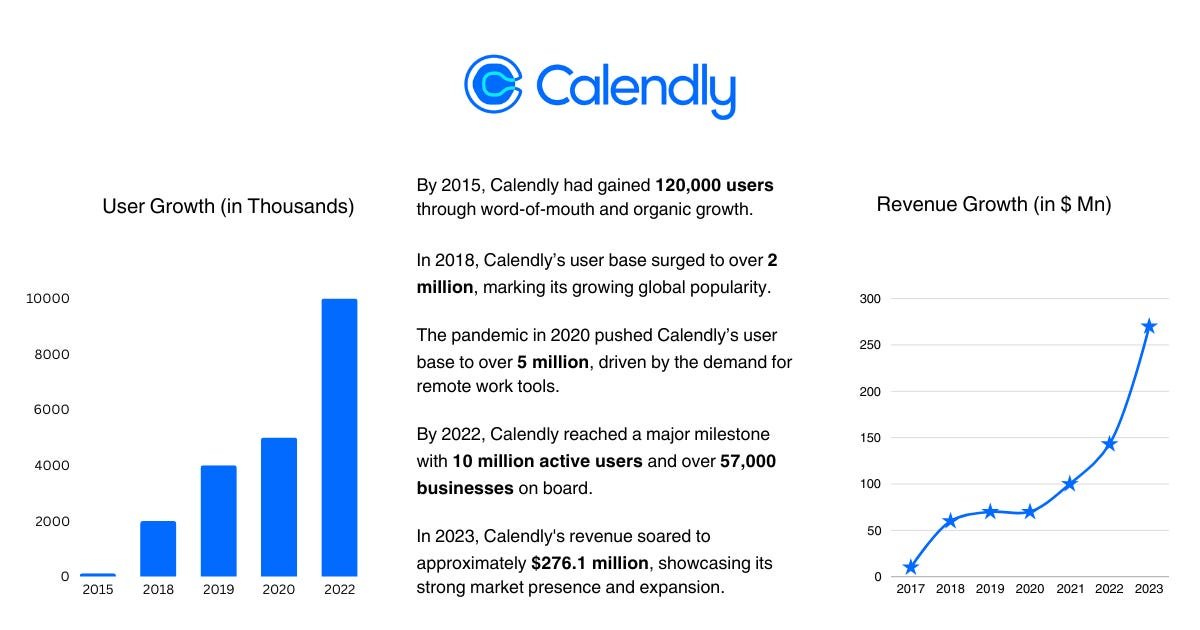
Calendly
SevenRooms
Justworks
AI & Machine Learning
We integrate technical items and abstract capabilities into believable, user-friendly internet experiences that allow purchasers to rapidly understand the value.
We've partnered with the following brands:
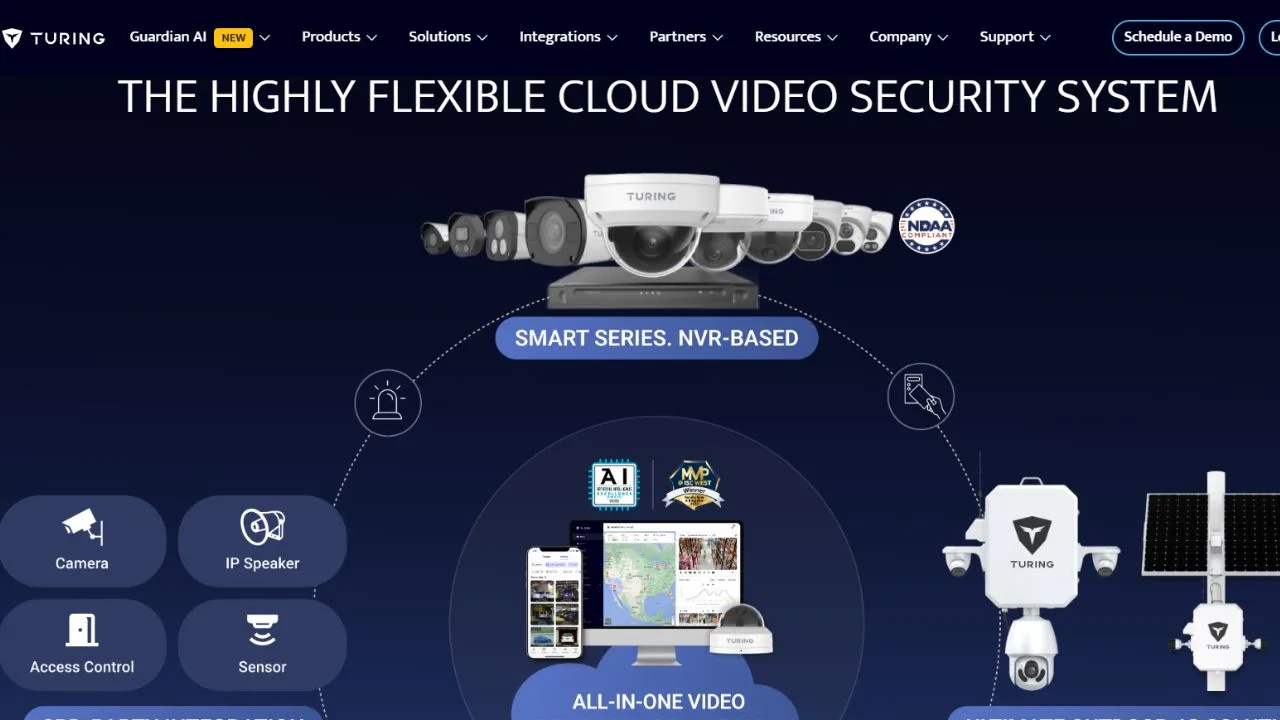
Turing
Shep
Aragorn AI
3x
Faster feature delivery
Developers typically see a 2.5x increase in developer efficiency and delivery velocity after moving to Sanity.
The agency redesign process has been disorganized for years.
Outdated designs lose credibility.
Avoid harming your brand’s credibility and losing potential customers.
Users' expectations are evolving.
Ensure that your website responds to shifting needs and market trends.
Maximize ROI.
Increase conversions, improve user experience, and align with your business objectives.
Marketing moves quicker.
A flexible CMS and reusable components enable teams to publish sites, campaigns, and updates with less developer assistance.
Complex stories become clearer.
Simplify navigation, improve messaging, and make complex items easier to grasp.
The website is easier to scale.
Brand, design, technical planning, and delivery are frequently separated, causing limits and hazards to emerge too late.
Whenever we needed improvements to our website or marketing strategy, PELSTACK delivered real solutions — not just suggestions. Their team redesigned our platform, optimized SEO, and implemented automation that saved us hours every week. It feels like having a true technical partner.
Aarav MehtaFounder, NovaScale
We struggled with slow performance and poor conversions. PELSTACK rebuilt our site using Next.js and improved load speed dramatically. Our bounce rate dropped and leads increased within weeks.
Sarah MitchellHead of Marketing, Growthify
Their AI lead generation system transformed how we handle inquiries. What used to take hours now runs automatically, and our response time improved instantly.
Daniel RamirezFounder, CloudShift
PELSTACK connected our website, CRM, and analytics seamlessly. No technical headaches — everything just works, and our tracking is finally accurate.
Olivia ParkProduct Manager, Nexora
Let's talk about your website.
Find out how Pelstack may help your business meet its website goals and enhance its online visibility.
A redesign at Pelstack runs through several parallel workstreams rather than a strict linear sequence. Strategy, design, and development overlap intentionally. That catches problems earlier, keeps feedback loops tight, and avoids the classic situation where design finishes and then development finds issues that require going back to the drawing board.
Depends on scope. Content volume, number of unique page templates, integrations, and whether the CMS is changing are the main variables. A focused redesign for a mid-size B2B site typically runs 4-6 months. More complex builds with migrations, localization, or heavy integrations take longer.
That catches problems earlier, keeps feedback loops tight, and avoids the classic situation where design finishes and then development finds issues that require going back to the drawing board.
The phases roughly look like this:
Strategy and Discovery - understanding your business, audience, competitors, and current site's gaps
Content and Messaging - making sure the words and structure are right before design locks in
Design - building a design system first, then page templates. Not just "making it look nice" but creating a scalable component library
Development and QA - front-end build, CMS integration, performance and SEO baked in
Training and Enablement - making sure your team can actually use what we built
Not always. Sometimes the issue is the CMS limiting what marketing can do, not the design itself. Other times the brand has evolved but the site hasn't. Those are different problems with different solutions. We usually start with a discovery phase to figure out which one it actually is before committing to scope.
One thing worth calling out: we don't just "reskin" what exists. A big part of early strategy is auditing your current information architecture.
A lot of sites look dated, but the deeper issue is that the structure and content aren't working. Fixing the surface without addressing that is a wasted effort.
That's normal. Stakeholder alignment is part of the discovery phase. We facilitate those conversations and help get everyone anchored to business outcomes rather than personal preferences.
Technical SEO is built into how we develop, not bolted on afterward. Site architecture, crawlability, Core Web Vitals, URL structure, and metadata management are all part of the process. A redesign done right should improve SEO, not set it back.
That's a core goal, not an afterthought. We build on CMS platforms that give marketing real autonomy and we include training and enablement before handing off. Reducing developer dependency is one of the main things clients come to us for.












Whenever we needed improvements to our website or marketing strategy, PELSTACK delivered real solutions — not just suggestions. Their team redesigned our platform, optimized SEO, and implemented automation that saved us hours every week. It feels like having a true technical partner.
Aarav Mehta Founder, NovaScale